
Project Supervisor Construction Stage (PSCS) Services in Ireland
When a construction project gets underway, someone has to take legal responsibility for managing health and safety on site.
In the Republic of Ireland, that someone is the Project Supervisor Construction Stage. It is a serious duty, and getting the right team in the role from day one protects your project, your workforce and you as the client.
We take on that role so you do not have to carry it alone. From the first plan to the final handover, we keep your site safe, coordinated and fully compliant, leaving you free to focus on delivering the build.
What is PSCS?
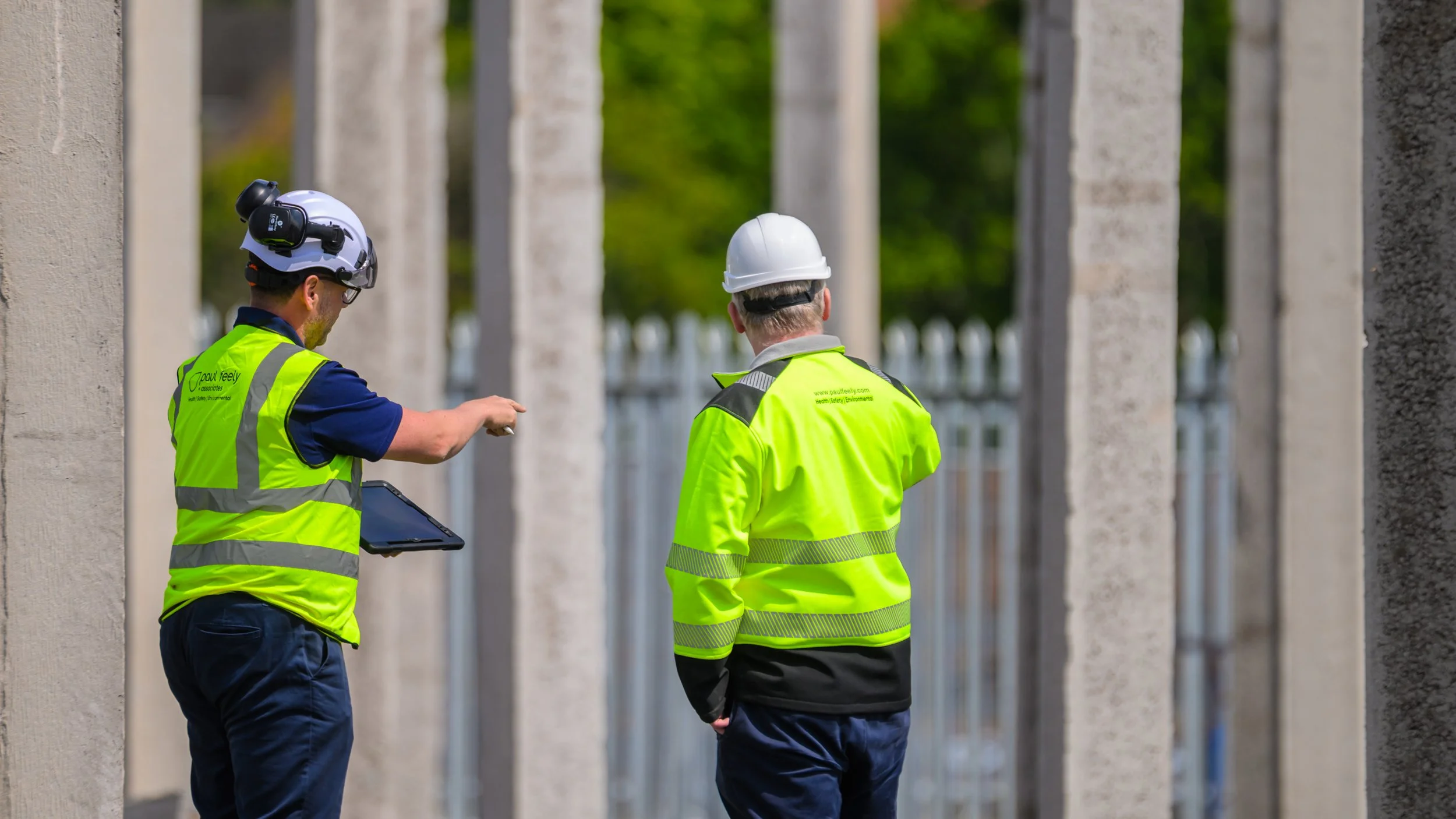
PSCS stands for Project Supervisor Construction Stage.
It is a legal role under Ireland's Safety, Health and Welfare at Work (Construction) Regulations 2013, and it carries responsibility for managing and coordinating health and safety throughout the construction phase of a project.
If your project involves more than one contractor, runs for more than 30 days or 500 person days, or includes any "particular risk" activities, the law requires you as the client to appoint a PSCS in writing. It is not optional, and the responsibility for making that appointment sits with you.
That is where we come in. We take on the role, the duties and the detail, so you meet your legal obligations without the headache of trying to manage it yourself.
Key Responsibilities of the PSCS
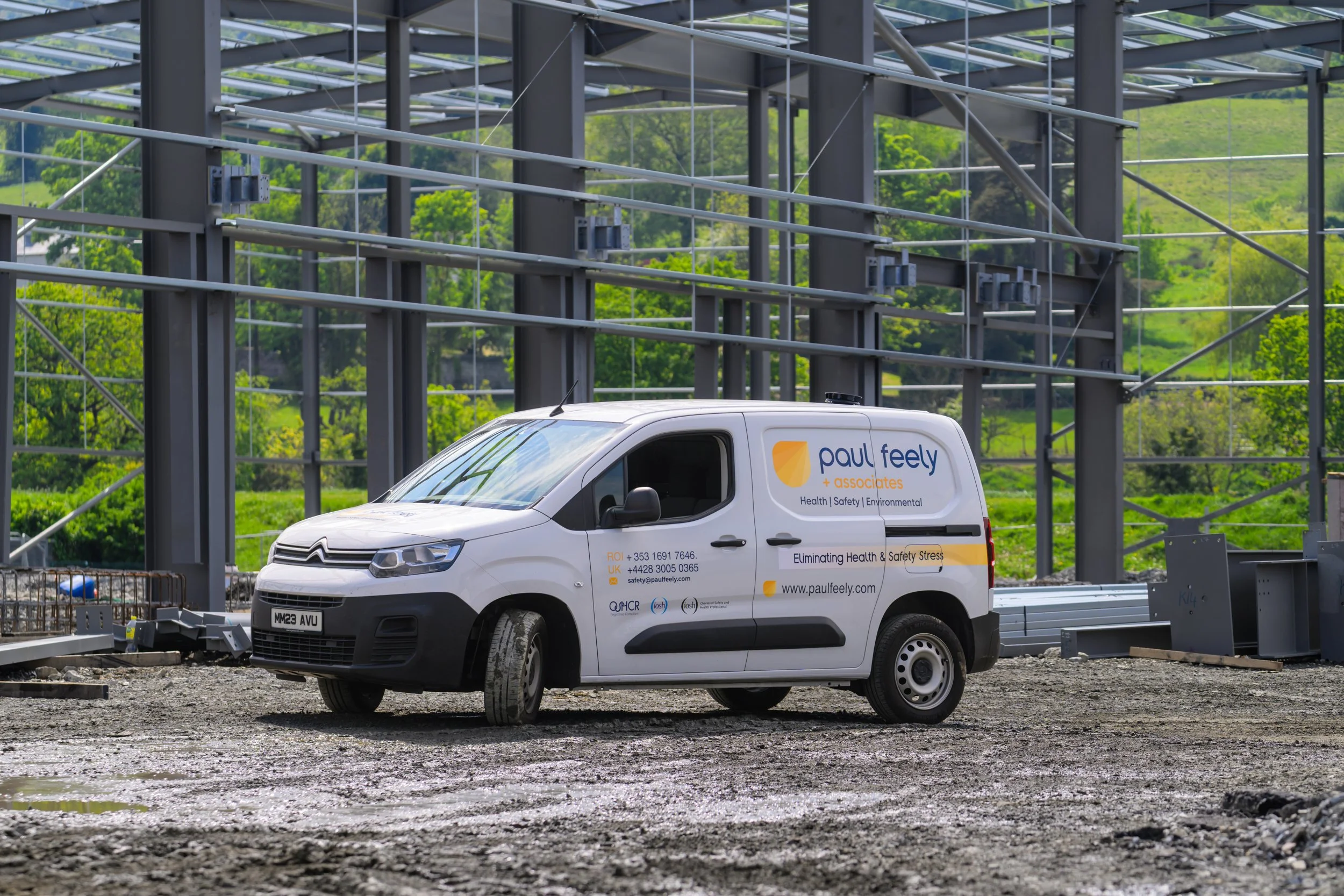
Before we get on to how we do things, let’s take a moment to outline the key responsibilities of the PSCS, the role legally appointed to manage and coordinate health and safety during the construction stage of a project.
-
Coordinates the day-to-day management of health and safety on site, ensuring that all contractors and workers carry out their duties safely and in accordance with the Regulations. Promotes cooperation and communication between everyone involved in the project to maintain a safe and compliant working environment.
-
Prepares and maintains a project-specific Construction Stage Health & Safety Plan before work begins, ensuring that it reflects the nature of the work and any site-specific risks. The PSCS ensures this plan is implemented, updated and communicated effectively throughout the construction stage.
-
Ensures that all contractors, subcontractors and self-employed persons comply with their statutory obligations. Coordinates their activities to prevent risks to safety, health and welfare, and ensures that each party has access to relevant safety information.
-
Carries out regular health and safety audits and inspections that actively support your team in maintaining high standards. Provides practical guidance, reinforces safe working practices, and ensures that any non-compliance is addressed quickly to keep the project safe and legally compliant.
-
Ensures all statutory notifications, incident reports and safety records required under the Safety, Health and Welfare at Work (Construction) Regulations 2013 are completed and retained. Coordinates investigations and implements corrective actions to promote continual improvement in safety performance.
-
Liaises closely with the PSDP to ensure that safety considerations identified during design are carried through to the construction stage, and that any new risks arising on site are communicated promptly.
What Does Our PSCS Service Include?
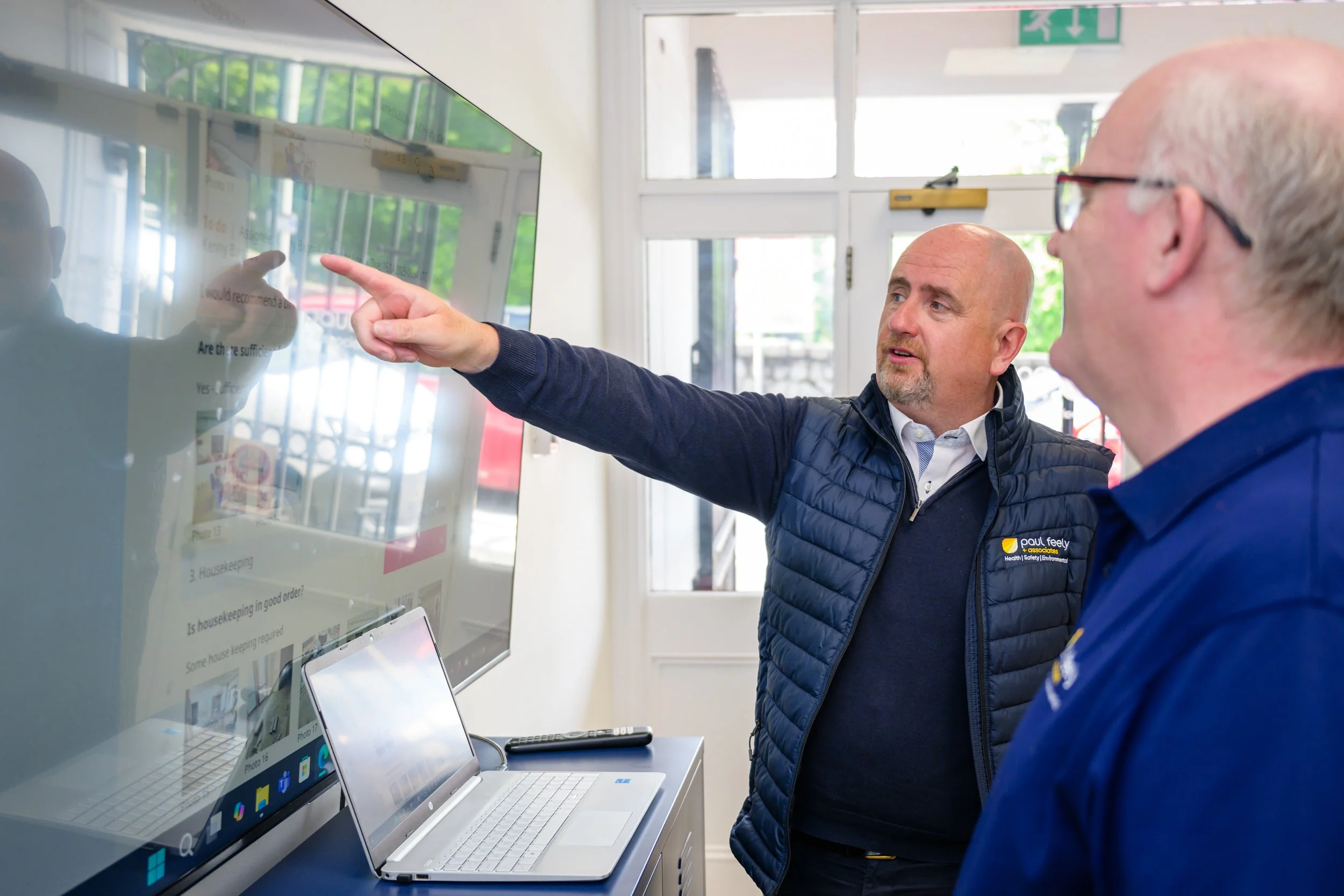
Once our boots hit the ground, we become your health, safety and environmental partner.
Our highly trained team of experts supports you to deliver your project safely, on programme, on budget and fully compliant. Here is what that looks like in practice.
Developing and Managing The Construction Stage Health and Safety Plan
Every project begins with a solid plan. We prepare and manage the Construction Stage Health and Safety Plan to set clear standards, outline responsibilities and make sure everyone on site understands what is expected from day one.
This is the foundation that everything else is built on. We keep it live throughout the project, updating it as the work progresses and conditions on site change, so it stays accurate and useful rather than becoming a document that gathers dust.

Overseeing Contractor Coordination and Safety Leadership
With multiple contractors often working side by side, clear coordination is the difference between a smooth site and a dangerous one. We provide hands-on safety leadership so that everyone involved works together seamlessly, reducing risk and avoiding the gaps that appear when nobody is taking the lead.
More than that, we set the tone. By being visible and consistent on site, we help build a culture of shared responsibility, where safety is something the whole team owns rather than a rule handed down from above.

Reviewing RAMS (Risk Assessments and Method Statements)
We carefully review all Risk Assessments and Method Statements before work begins. This makes sure every task has been properly thought through, the hazards have been identified, and safe methods are in place so the work can be carried out without compromise.
Where a RAMS falls short, we flag it and work with the contractor to put it right before anyone starts. It is far cheaper and far safer to catch a problem on paper than to discover it halfway through the job.
Verifying Welfare Provisions and Emergency Procedures
From rest areas and sanitation facilities to fire exits and first aid stations, we check that all welfare provisions meet the required standards. A well-run site looks after the basics, and we make sure those basics are never an afterthought.
We also confirm that emergency procedures are in place and properly understood by the people on site, so that if something does go wrong, everyone knows exactly what to do. That preparation gives you real peace of mind that the site is ready for the unexpected.
Conducting Safety Audits and Inspections
Regular site audits and inspections help us spot potential risks early and keep the project in line with regulations.
Box ticking is not our thing. We are constantly looking for ways to raise standards, not just confirm the minimum has been met.
Each audit gives you a clear picture of where the site stands, what is working well and what needs attention, so you always know exactly where you are on compliance and where the next improvement can be made.
Managing the Safety File & Project Documentation
We keep clear, accurate records throughout the project in the Safety File, so all your health and safety information is properly managed and easy to access whenever it is needed.
This creates transparency during the build and leaves you with a complete, organised reference once the project is finished. That record is invaluable for future works, maintenance and demonstrating compliance long after the site has been handed over.
Liaising with the HSA
We act as the main point of contact with the Health and Safety Authority (HSA), making sure communication is smooth, timely and fully compliant. Dealing with the regulator can feel daunting, so we take it on for you.
By keeping that line open and managing it professionally, we protect the project and everyone involved, and we make sure nothing is missed when it comes to your reporting and notification duties.
Your Questions, Answered
-
As the client, you must appoint a PSCS in writing whenever your project involves more than one contractor, runs for more than 30 days or 500 person days, or includes particular risk activities. If you are unsure whether your project meets the threshold, book a call and we will tell you straight away.
-
The PSDP, or Project Supervisor Design Process, manages health and safety during the design and planning stage. The PSCS, or Project Supervisor Construction Stage, takes over once construction begins. The two roles work closely together, and we can support you with either or both.
-
Yes. The PSCS is a legal role under the Safety, Health and Welfare at Work (Construction) Regulations 2013, enforced by the HSA. Where the appointment thresholds are met, the client is legally required to put a PSCS in place in writing.
-
Yes. We take on the full PSCS role on your behalf, from developing the Construction Stage Health and Safety Plan to coordinating contractors, running audits and liaising with the HSA. You get a qualified, experienced team handling the duty so you can focus on the build.

Need expert support for your project?
Whether you’re at design stage or preparing for construction, we’ll help you understand your duties, manage risk and keep your project moving with confidence.