
Project Supervisor Design Process (PSDP) Services in Ireland
The cheapest, safest time to deal with a risk is before it is ever built.
The design stage is where your vision takes shape, and it is also where the right health and safety thinking can design problems out long before anyone sets foot on site.
Get this stage right and the whole project runs safer, smoother and with fewer costly surprises down the line.
As your nominated PSDP, the team at Paul Feely and Associates works alongside your designers to protect the creativity and ambition of the project while quietly making sure safety is built into every decision from the very beginning.
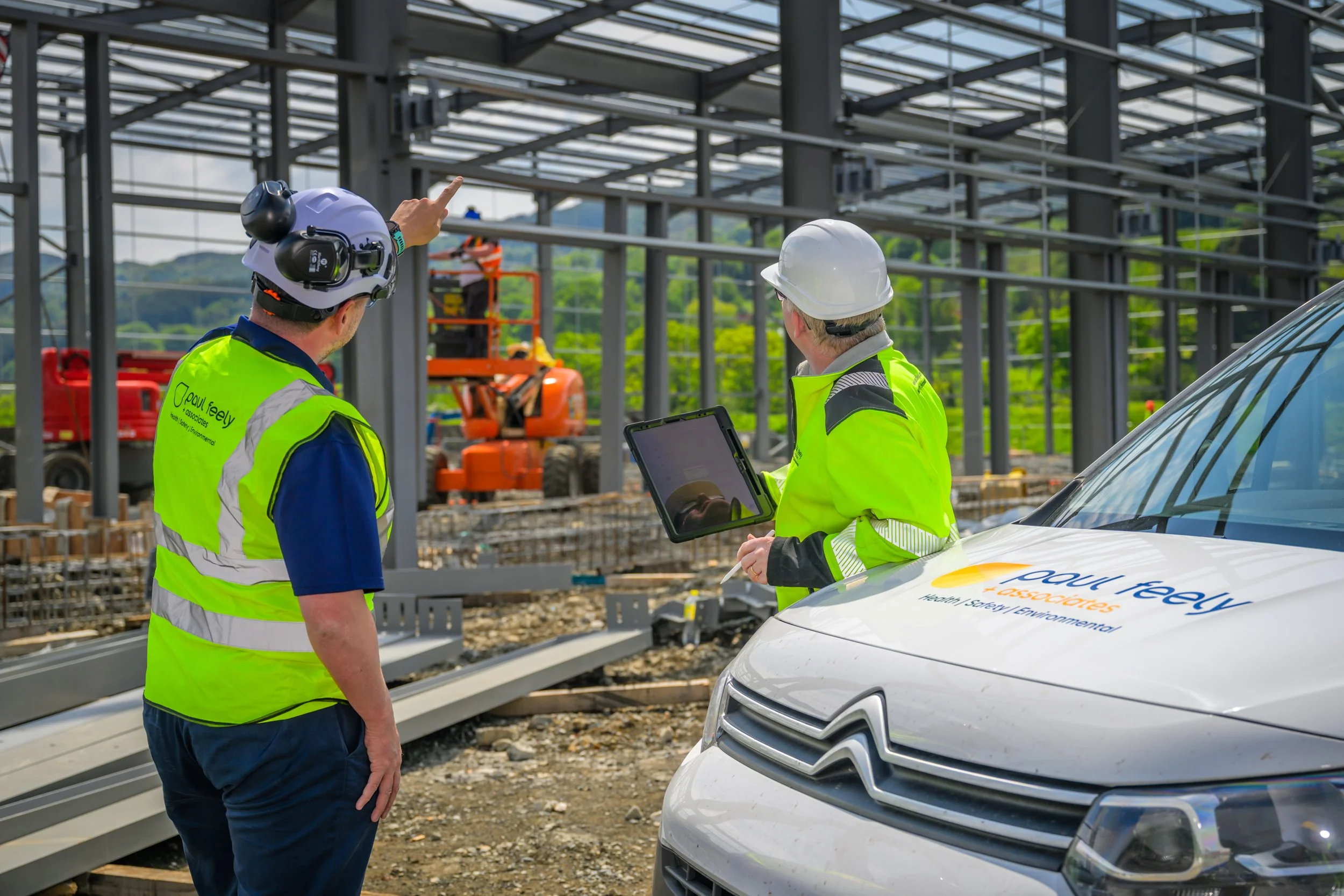
What is PSDP?
PSDP stands for Project Supervisor Design Process.
It is a legal role under Ireland's Safety, Health and Welfare at Work (Construction) Regulations 2013, responsible for coordinating health and safety throughout the design and planning stage of a project.
Where a project involves more than one designer, or will involve more than one contractor, the client is legally required to appoint a PSDP.
The role exists to make sure risks are considered and reduced at the drawing board, where changes are easy and inexpensive, rather than on site, where they are neither.
As your PSDP, we support your design process with respect for the intricacies and flair of the architect, while flagging any areas of concern or risk that may need to be adjusted.
The design still leads. We simply make sure it flows around a carefully considered set of non-negotiable safety guidelines.
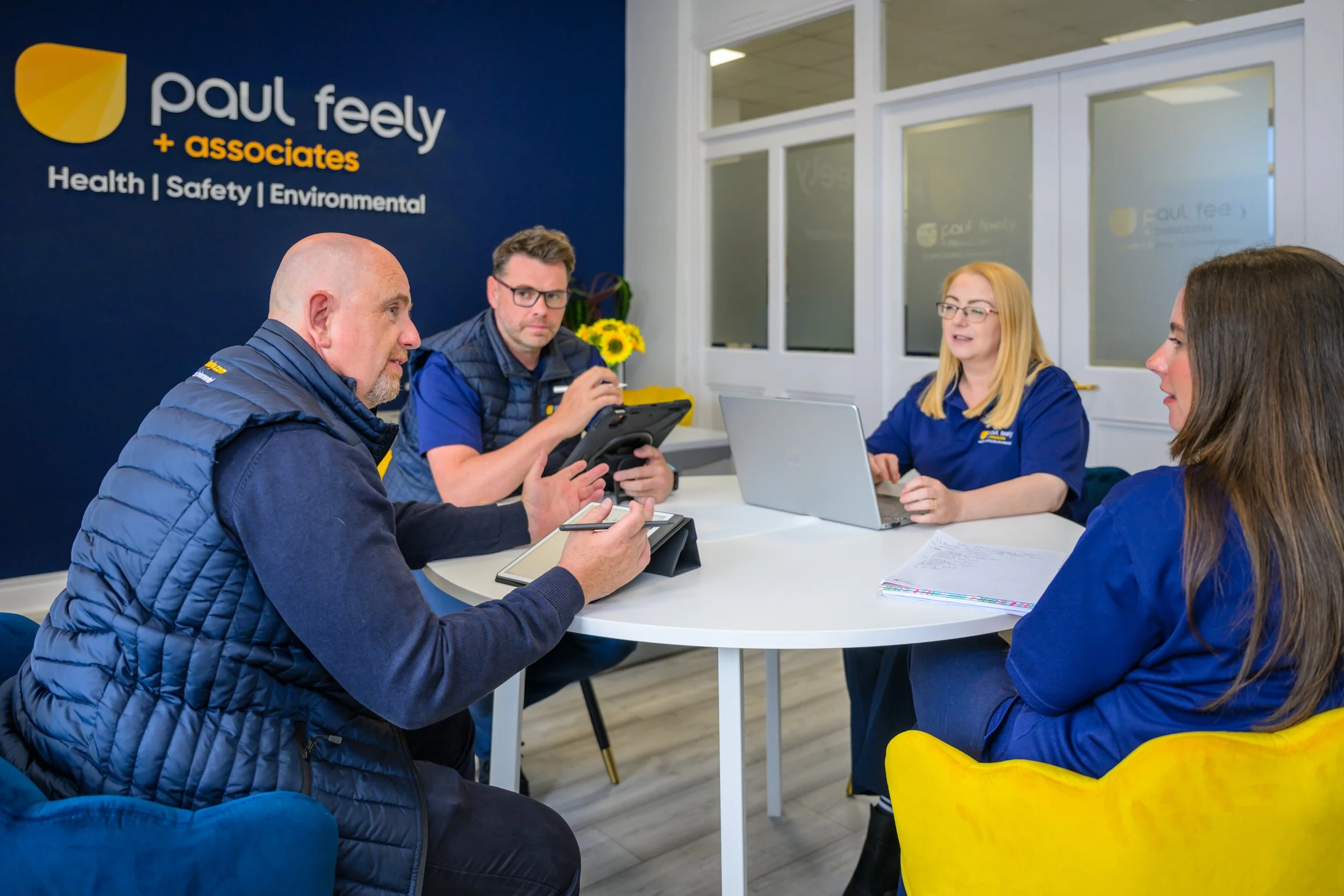
Key Responsibilities of the PSDP
Before we get on to how we do things, let’s just take a moment to cover the key responsibilities of the PSDP in a little more detail.
-
Work with architects, engineers and other creatives to create desirable spaces that work within the realms of compliant health & safety.
Ensure a non-negotiable approach to function over form, allowing for flair, without compromising on critical safety controls.
-
Dissect the designs and identify potential risks while there is time available to rethink and adjust.
Where potential risks can’t be eliminated completely, a plan must be developed to reduce those risks so far as is reasonably practicable.
-
Provide a space for everyone involved in the design phase to communicate on health & safety matters, in line with their key objectives.
Encourage the space to be used so that the complete solution is provided with safety at the heart of the final design.
-
Prepare a comprehensive health & safety document (Preliminary Safety and Health Plan) outlining all known risks before anyone sets foot on site.
Make the document accessible to all parties involved in the design and build phase of the project.
-
Collate all of the files used throughout this stage to create a ‘Safety File’ for the building once it’s complete.
Collaborate with all involved parties to ensure key elements, including as-built drawings, certificates, maintenance manuals, inspection records, and any residual risk info, has been passed to the client for any future maintenance.
What Does Our PSDP Service Include?
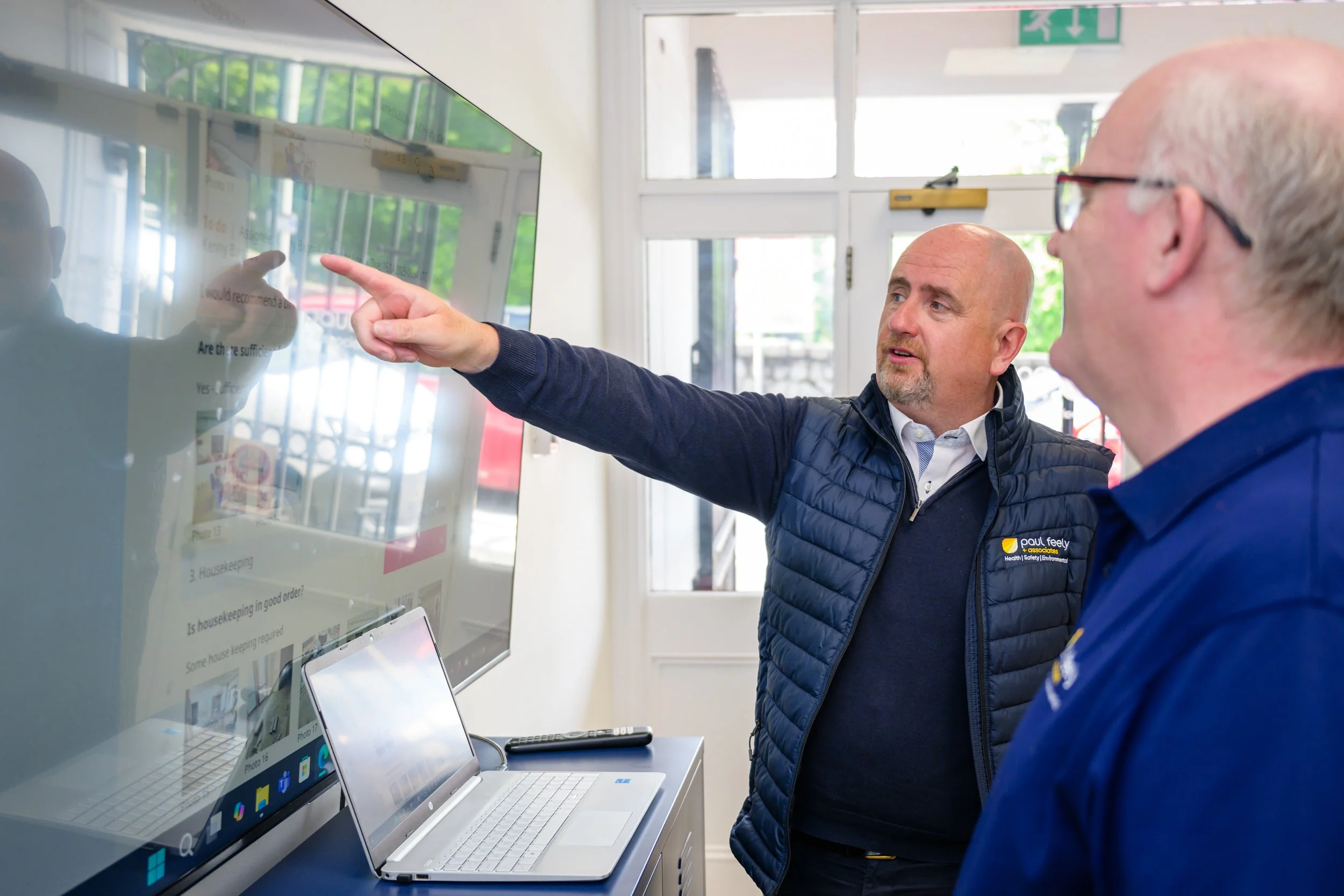
Our job is to see the things you cannot. We work with your team to build health and safety best practice into the creative stage of a project, so good design and safe design become one and the same.
Here is what that looks like in practice.
Designing Risk Out From the Start
With a core focus on prevention, we work alongside the creative team to recommend safety measures that respect and protect the design concept.
The aim is never to flatten good ideas, but to shape them so the hazards are removed before they can ever reach the site.
Tackling risk at this stage is where the real value lies. A change on a drawing costs almost nothing, while the same change on a live site can cost time, money and, in the worst cases, someone's safety.
A Clear Roadmap For The Team
We create a clear roadmap that sets out the key responsibilities of everyone involved, along with the timeframes for the actions they need to take.
Nobody is left guessing about who owns what, or when it needs to be done.
This shared plan keeps the whole team aligned and accountable, so safety considerations move forward in step with the design rather than being left behind in the rush to progress.
Continuous Collaboration With Your Design Team
Safety at the design stage is not a one-off review. We stay involved throughout, so your designers understand each recommendation and how it should evolve as the project develops and the details firm up.
We attend regular design team meetings to support and coordinate the team, answer questions as they arise, and steer everyone through the relevant legislation, so the plan is always being followed rather than quietly drifting off course.
A Collaborative Approach to Risk Management
We take a collaborative approach to managing risk, making sure every responsible party understands the reasoning behind our suggestions. When people understand the "why," they buy in, and good safety practice becomes something the team chooses rather than something imposed on them.
This shared understanding is what turns a set of recommendations into a genuine culture of safety, carried through from the design table all the way onto the site.
On-Site Inspections During The Project
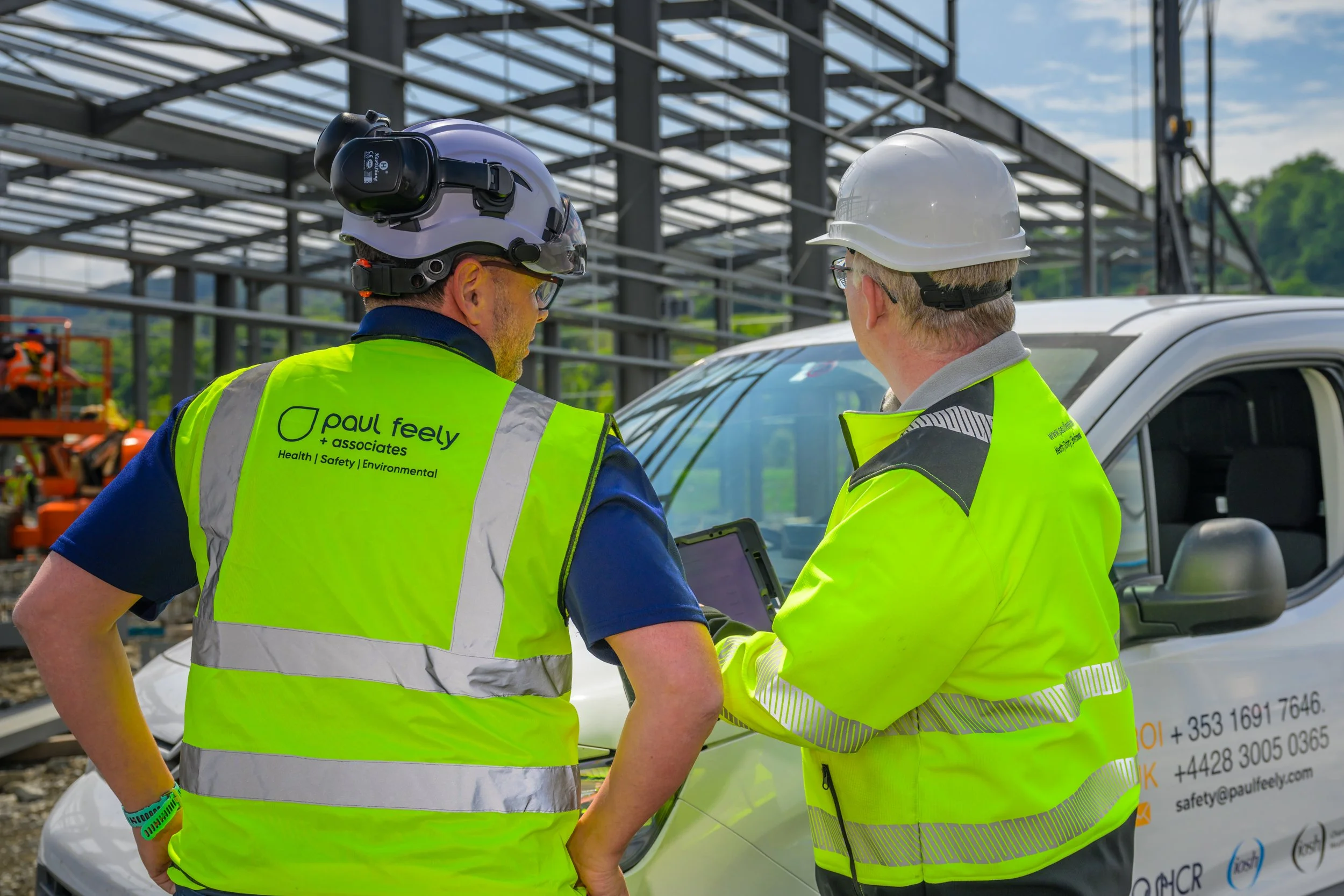
We carry out regular on-site inspections to support the client and the wider project team, and to confirm that the work is being delivered safely and in line with the law.
These visits keep the link between design and delivery intact, making sure the careful thinking done at the design stage is actually reflected in what is being built on the ground.
With multiple contractors often working side by side, clear coordination is the difference between a smooth site and a dangerous one.
We provide hands-on safety leadership so that everyone involved works together seamlessly, reducing risk and avoiding the gaps that appear when nobody is taking the lead.
More than that, we set the tone. By being visible and consistent on site, we help build a culture of shared responsibility, where safety is something the whole team owns rather than a rule handed down from above.
Preparation and Handover Of The Safety File
With multiple contractors often working side by side, clear coordination is the difference between a smooth site and a dangerous one.
We provide hands-on safety leadership so that everyone involved works together seamlessly, reducing risk and avoiding the gaps that appear when nobody is taking the lead.
More than that, we set the tone. By being visible and consistent on site, we help build a culture of shared responsibility, where safety is something the whole team owns rather than a rule handed down from above.
Your Questions, Answered
-
As the client, you must appoint a PSDP in writing where your project involves more than one designer, or where it will involve more than one contractor. If you are unsure whether your project needs one, book a call and we will tell you straight away.
-
The PSDP, or Project Supervisor Design Process, manages health and safety during the design and planning stage. The PSCS, or Project Supervisor Construction Stage, takes over once construction begins. The two roles work hand in hand, and we can support you with either or both.
-
Yes. The PSDP is a legal role under the Safety, Health and Welfare at Work (Construction) Regulations 2013, enforced by the HSA. Where the appointment criteria are met, the client is legally required to put a PSDP in place in writing.
-
No. Our role is to support good design, not restrict it. We work with the flair and ambition of your architects and designers, flagging risks early so they can be designed out cleanly, rather than forcing changes late when they are far more disruptive.
Need expert support for your project?
Whether you’re at design stage or preparing for construction, we’ll help you understand your duties, manage risk and keep your project moving with confidence.